The comment wasn’t even loud.
That’s what made it worse.
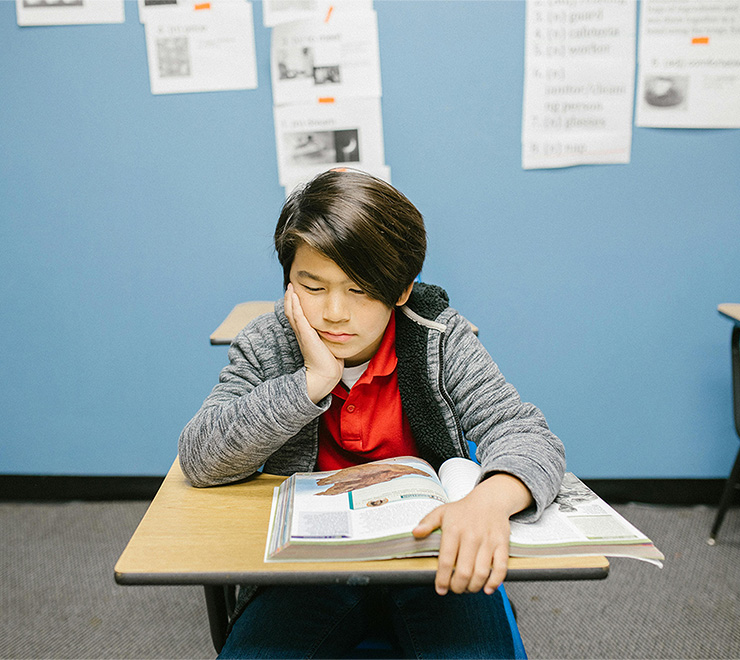
Just a small sentence, said under someone’s breath in the middle of class. Enough for the people nearby to hear. Enough for a few snickers to follow. I felt it immediately, that heat in my chest, like something pushing up, demanding to be let out. I knew exactly what I wanted to say. It sat right there, sharp and ready. But I didn’t. Because I already knew how that would go.
I’d raise my voice, even just a little, and suddenly it wouldn’t be about what they said anymore. It would be about me. About my reaction. About how I “overreacted.” So I stayed still.
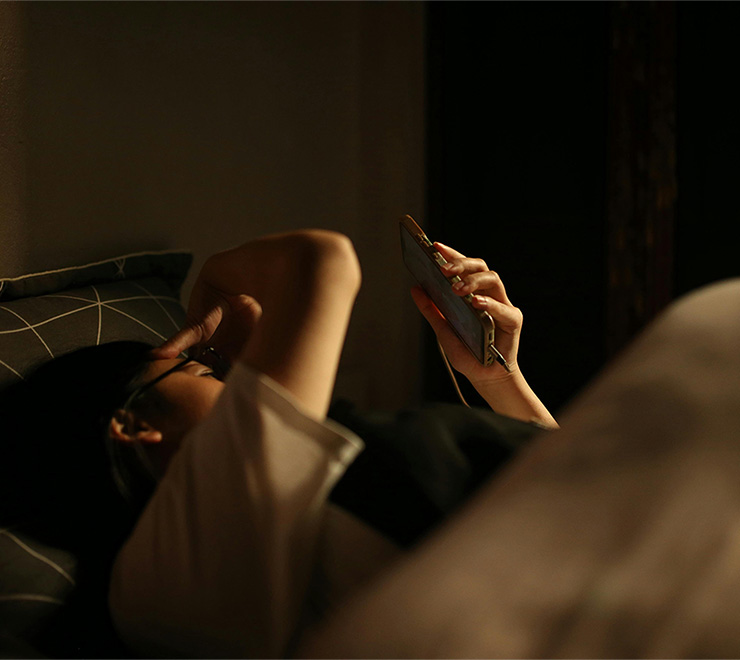
I kept my eyes on my paper, even though the words were starting to blur. I forced my hand to keep writing, like nothing happened. Like I didn’t hear it. Around me, the moment passed quickly. It always does for everyone else. The teacher kept talking. Someone asked a question. Chairs shifted. Life moved on. But inside, it stayed. It followed me into the hallway, into my next class, into the quiet moments where everything replays whether you want it to or not. I thought about what I could’ve said. What I should’ve said. What I’d say next time. But then I stopped. Because the truth was, I didn’t stay quiet because I had nothing to say. I stayed quiet because I understood the game. And choosing not to play it, that was its own kind of power. Not loud. Not obvious. But real. And even if no one else saw it, I did.
Kids Help Phone (KHP) is honoured to share creative content submitted by youth from coast to coast to coast as they Feel Out Loud with us. We thank the Feel Out Loud Community Creator of this piece for their contribution to youth mental health and well-being in Canada. For more information on the Feel Out Loud Community Creator Space and / or how you can submit your own creative content for possible publication, you can visit the submission page.