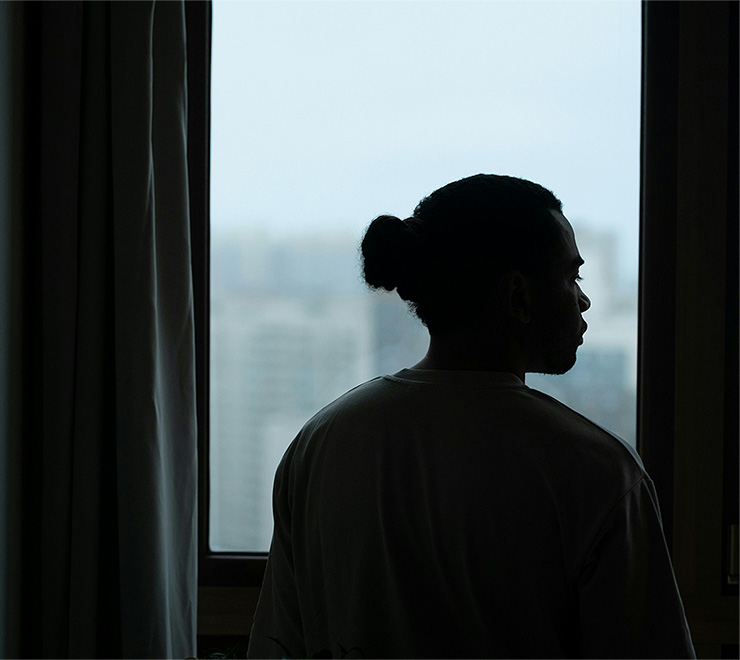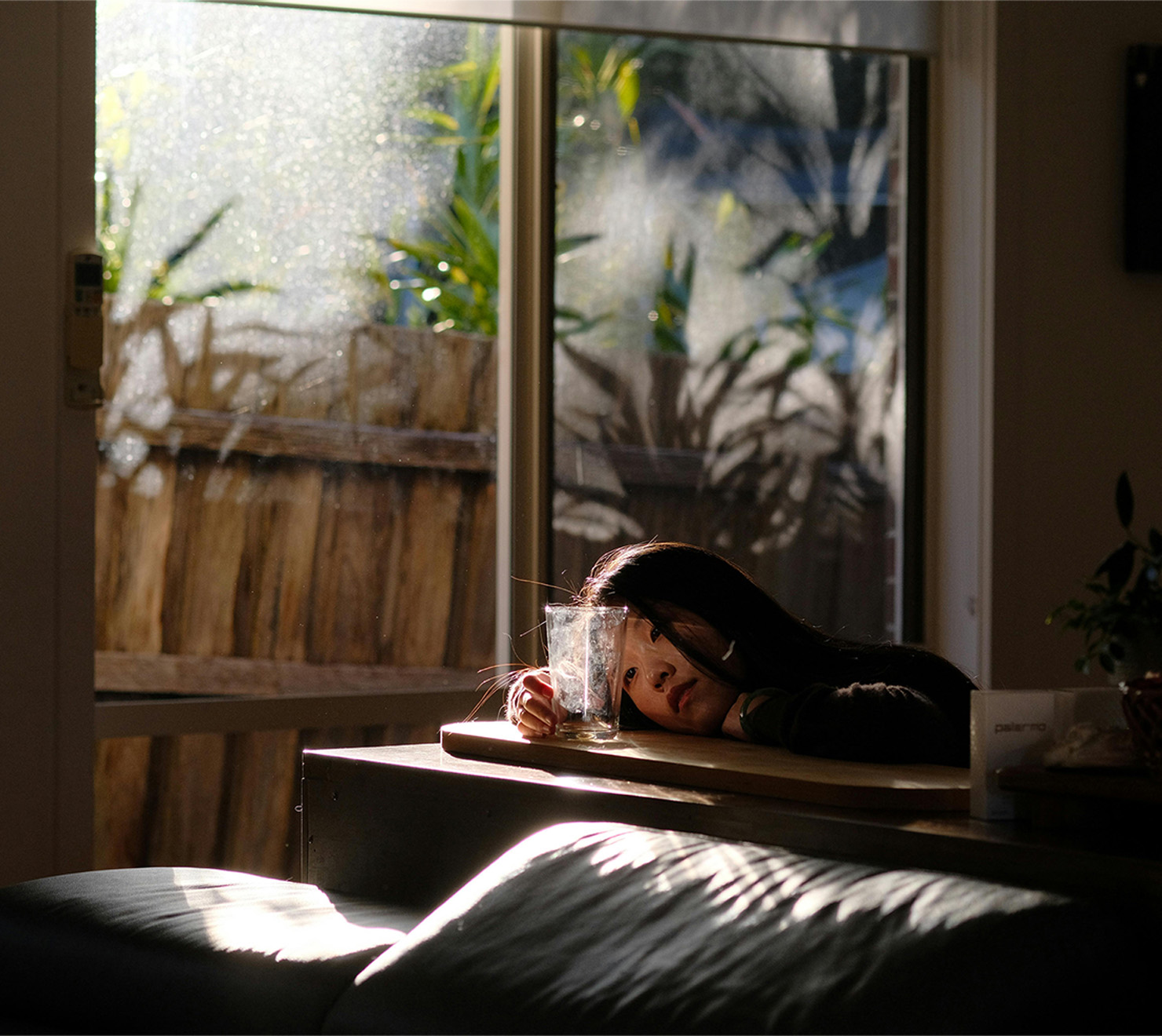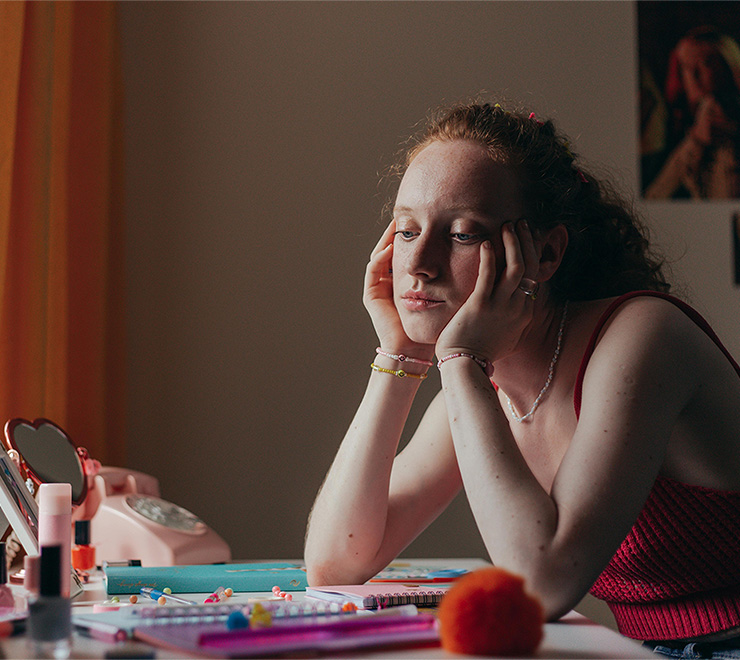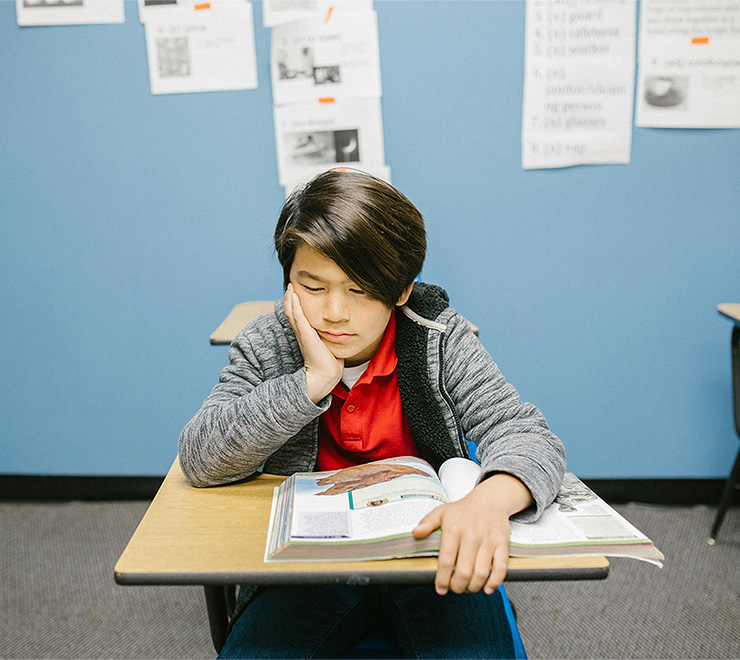
There was a teenager I knew who seemed to have everything under control. She did well at school, helped her friends when they were struggling, and rarely complained. When someone asked how she was doing, her answer was almost always, “I’m fine.”
But she described something once that stayed with me. She said it felt as though she carried an invisible backpack everywhere she went.
Every worry added something to it: a difficult test, an argument with a friend, expectations at home, fear about the future, and the pressure to keep everyone happy. None of these things seemed big enough on their own to talk about, so she kept putting them into the backpack.
Eventually, it became heavy.
One evening, after a particularly difficult day, someone she trusted noticed that she was unusually quiet. Instead of asking, “What’s wrong?” they simply said, “You don’t have to be okay with me.”
For the first time in a long time, she talked.
Nothing was magically fixed that evening. Her problems were still there. But something important had changed: she was no longer carrying all of them alone.
That experience made me think about how easily we can miss someone who is struggling. We often look for obvious signs—tears, anger or asking for help. But sometimes the person who needs support is still smiling, completing assignments and helping everyone else.
Young people should not have to reach a breaking point before they feel they are allowed to speak.
Sometimes support begins with something very small: noticing a change, listening without immediately giving advice, or reminding someone that asking for help is not a burden.
We cannot always remove what is inside someone else’s invisible backpack. But we can sit beside them while they open it.
And sometimes, that is enough to make it feel a little lighter.
Kids Help Phone (KHP) is honoured to share creative content submitted by youth from coast to coast to coast as they Feel Out Loud with us. We thank the Feel Out Loud Community Creator of this piece for their contribution to youth mental health and well-being in Canada. For more information on the Feel Out Loud Community Creator Space and / or how you can submit your own creative content for possible publication, you can visit the submission page.