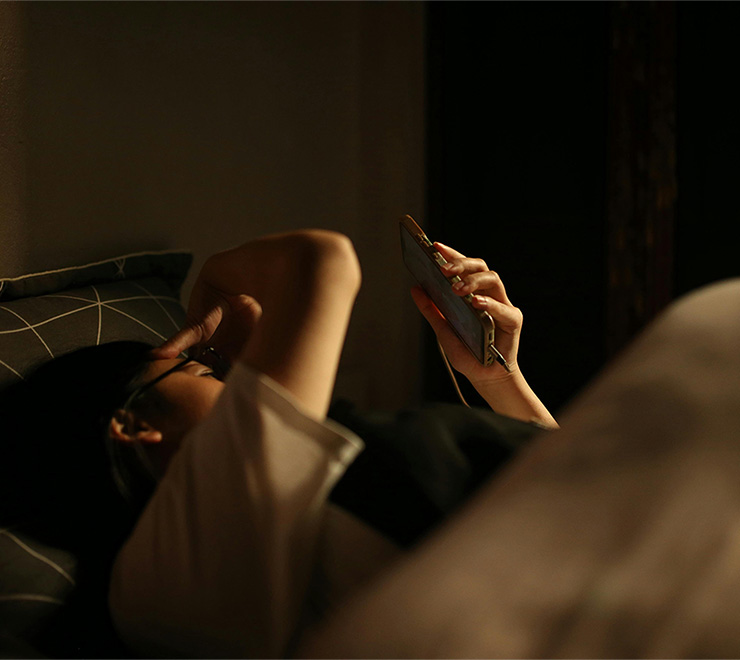
When she arrived, words were not words.
They were sounds she caught in the air and dropped again before they could hurt her.
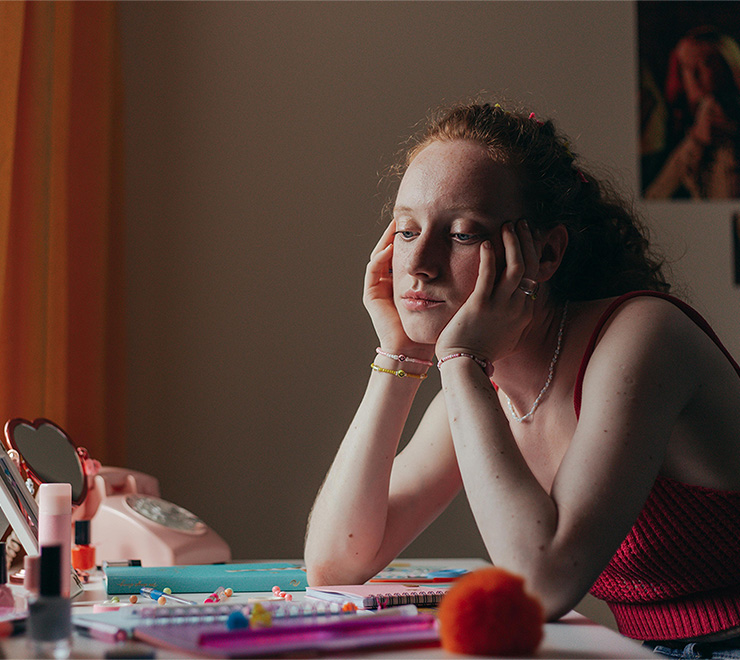
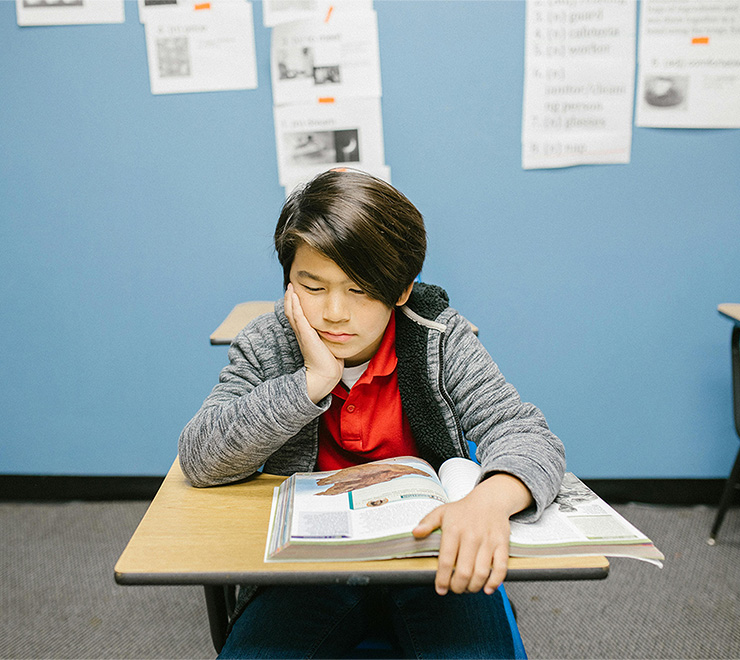
At school, she smiled more than she spoke.
She learned how to nod at the right time, how to laugh two seconds after everyone else, how to pretend she understood jokes that never landed in her language.
English lived outside her mouth.
Inside, there was only her first language—full, fast, safe.
The first time she tried to speak, her voice betrayed her.
The word came out wrong, twisted, like it had been dropped on the floor and picked up again in the wrong order. A few students laughed, not cruelly, but enough.
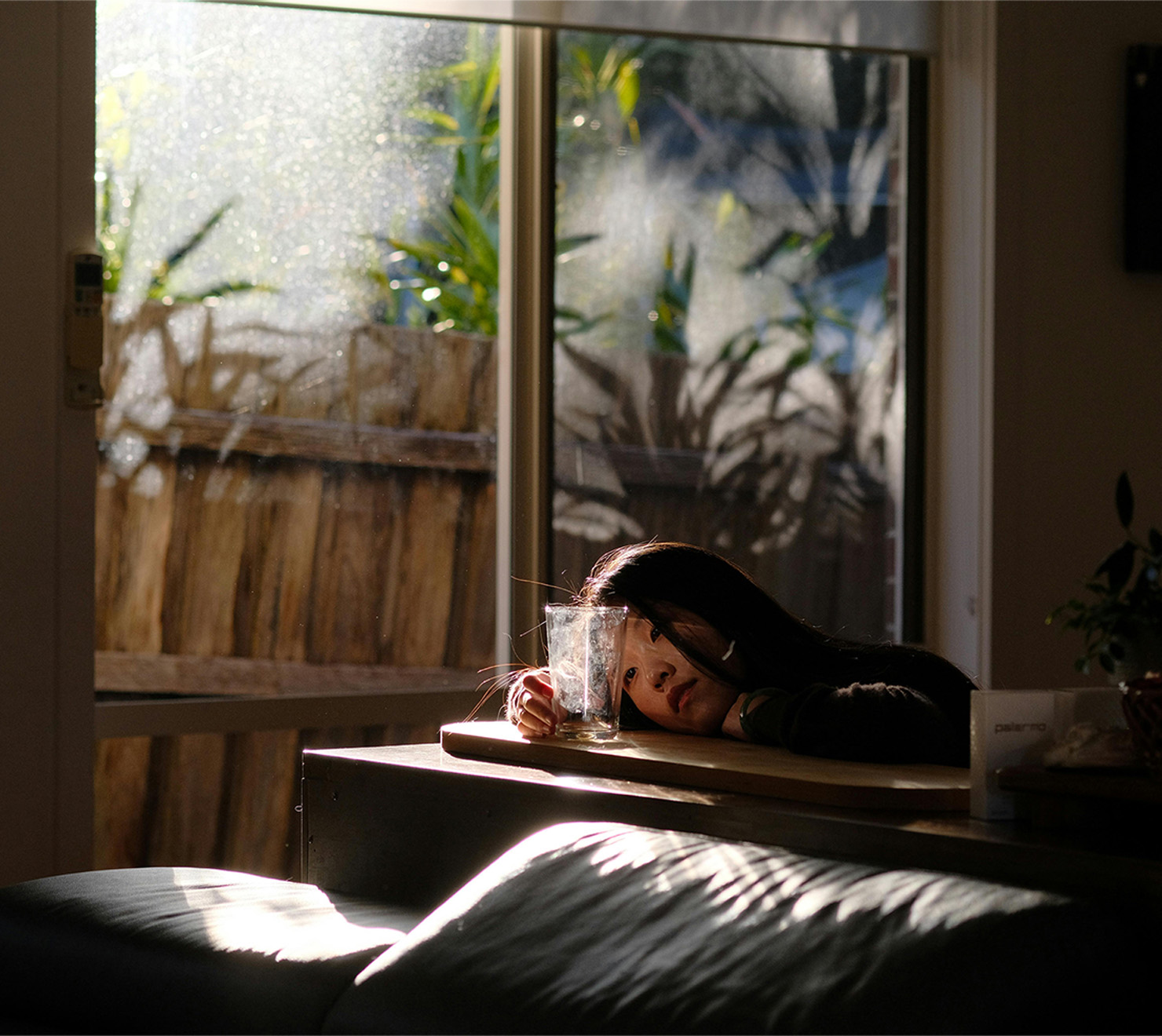
So she went quiet again.
But silence has its own kind of learning.
She started collecting words the way some people collect stones—one at a time.
“Bus.” “Snow.” “Help.” “Sorry.”
Words that were small enough not to fail her.
One winter morning, something shifted.
A classmate dropped their books. No one moved.
Before she could think, she said, “I can help.”
Three words. Simple. Ordinary.
But they didn’t break.
The room didn’t change. No applause. No music.
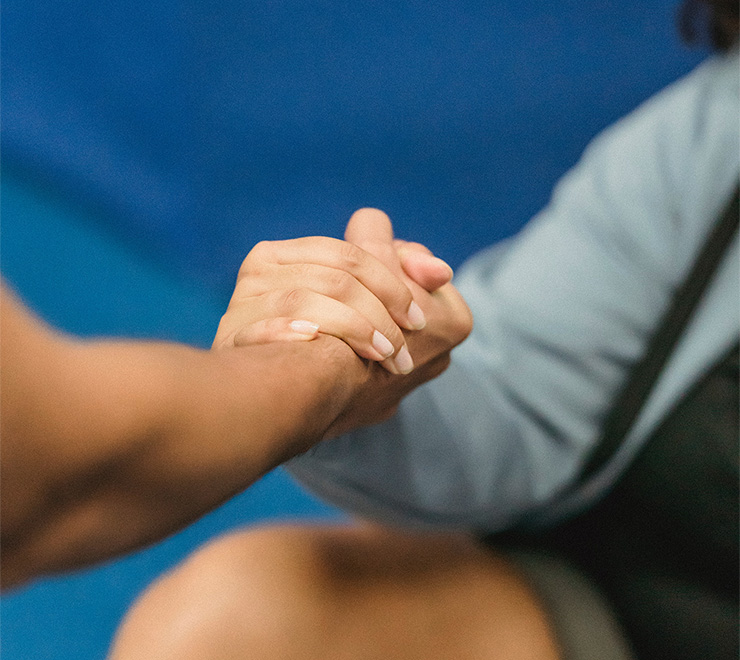
Just a glance. A nod. A shared moment that didn’t need translation.
That night, she repeated the sentence under her breath like a secret:
“I can help.”
And for the first time, English didn’t feel like a place she was visiting.
It felt like something that had opened a door.
Kids Help Phone (KHP) is honoured to share creative content submitted by youth from coast to coast to coast as they Feel Out Loud with us. We thank the Feel Out Loud Community Creator of this piece for their contribution to youth mental health and well-being in Canada. For more information on the Feel Out Loud Community Creator Space and / or how you can submit your own creative content for possible publication, you can visit the submission page.