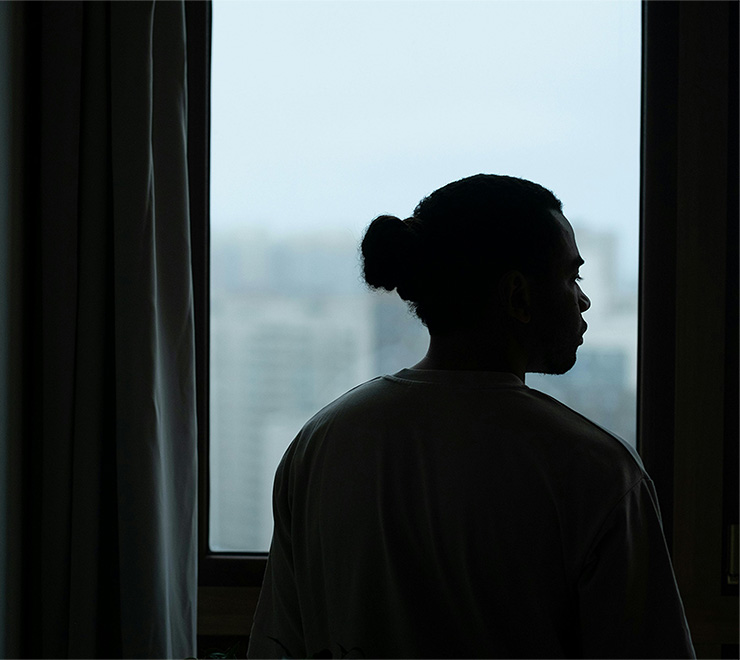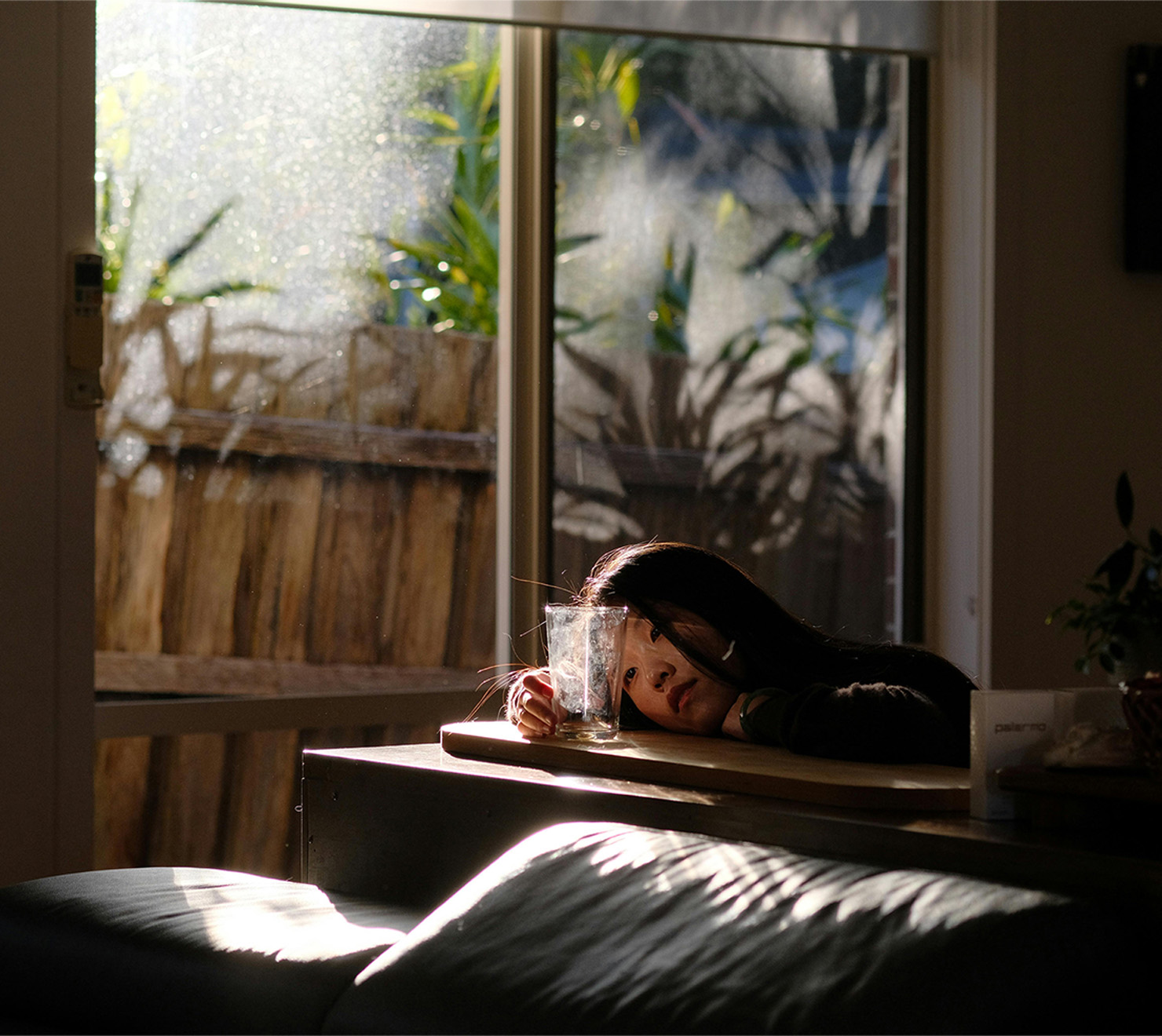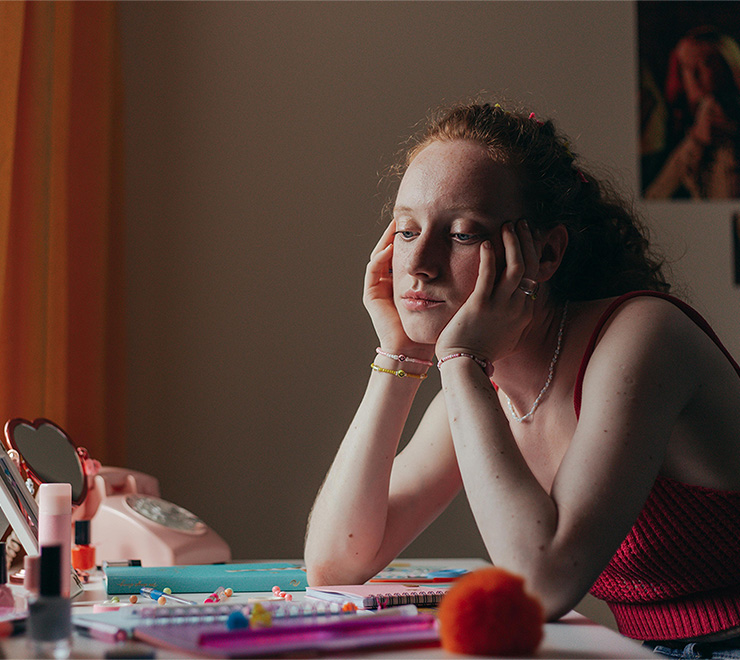
When a manic episode hits hard, it doesn’t arrive politely. It sweeps in like a storm — fast, bright, loud, and impossible to ignore. My thoughts multiply, my impulses sharpen, and the world feels like it’s vibrating. There’s a rush that feels intoxicating, but underneath it is fear:
the fear of losing control, of being pulled into something bigger than me, of not being able to slow down.
Why Demi Lovato’s Voice Reaches Me When Nothing Else Can
1. Radical honesty — the kind that doesn’t flinch
Demi doesn’t pretend recovery is linear. They don’t sugarcoat relapse, mania, depression, or the messy middle spaces.
When my own mania becomes severe, hearing someone speak openly about their struggles reminds me that what I’m experiencing is real — and survivable.
Their honesty interrupts the shame spiral that often follows the high.
2. Music that grounds my nervous system
Certain songs act like anchors.
The steady rhythm, the emotional clarity, the vulnerability — it slows my breathing just enough to help me reconnect with my body.
When mania makes everything feel too fast, Demi’s music gives me a pace I can match.
3. Representation that feels like being seen
There’s something powerful about seeing someone in the public eye talk about bipolar disorder, addiction, trauma, and healing without shame.
It reminds me that I’m not “too much,” not broken, not alone.
Demi’s visibility gives me permission to exist in my truth, even when that truth is chaotic.
4. A reminder that recovery is not perfection
During severe mania, I often feel like I’ve failed — like I should be “better by now.”
Demi’s story pushes back against that narrative.
Their journey shows that healing is a lifelong practice, not a straight line.
That reminder softens the self‑criticism that mania leaves behind.
How Their Work Helps Me in the Moment
When my thoughts are racing
put on a song with a steady beat and let my breathing match it.
It’s not a cure — but it’s a foothold.
When I feel invincible and terrified at the same time
remember Demi talking about the seductive side of mania.
It helps me name what’s happening instead of getting swept away by it.
When shame hits after the episode
Their openness reminds me that recovery includes moments we’re not proud of.
I don’t have to hide. I don’t have to disappear.
When I need hope without pressure
Demi’s story gives me a model of resilience that isn’t about perfection — it’s about honesty, compassion, and trying
Kids Help Phone (KHP) is honoured to share creative content submitted by youth from coast to coast to coast as they Feel Out Loud with us. We thank the Feel Out Loud Community Creator of this piece for their contribution to youth mental health and well-being in Canada. For more information on the Feel Out Loud Community Creator Space and / or how you can submit your own creative content for possible publication, you can visit the submission page.