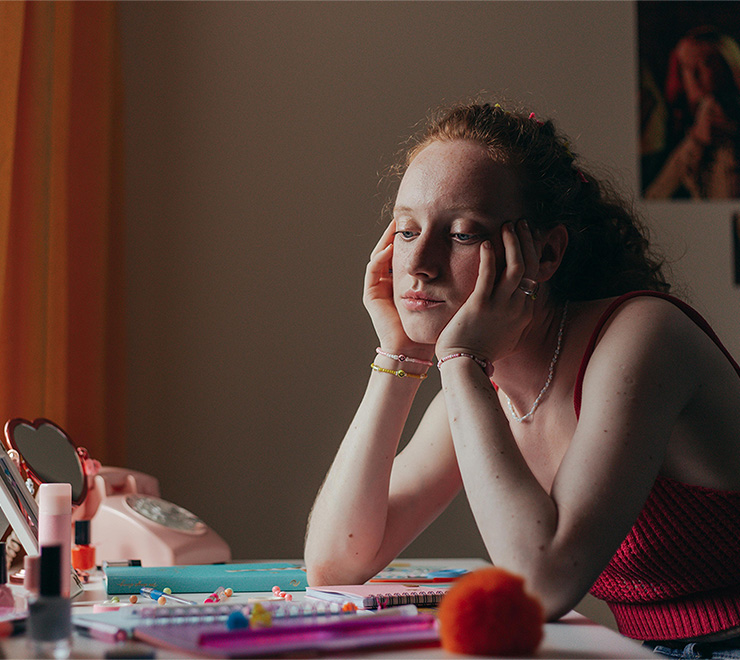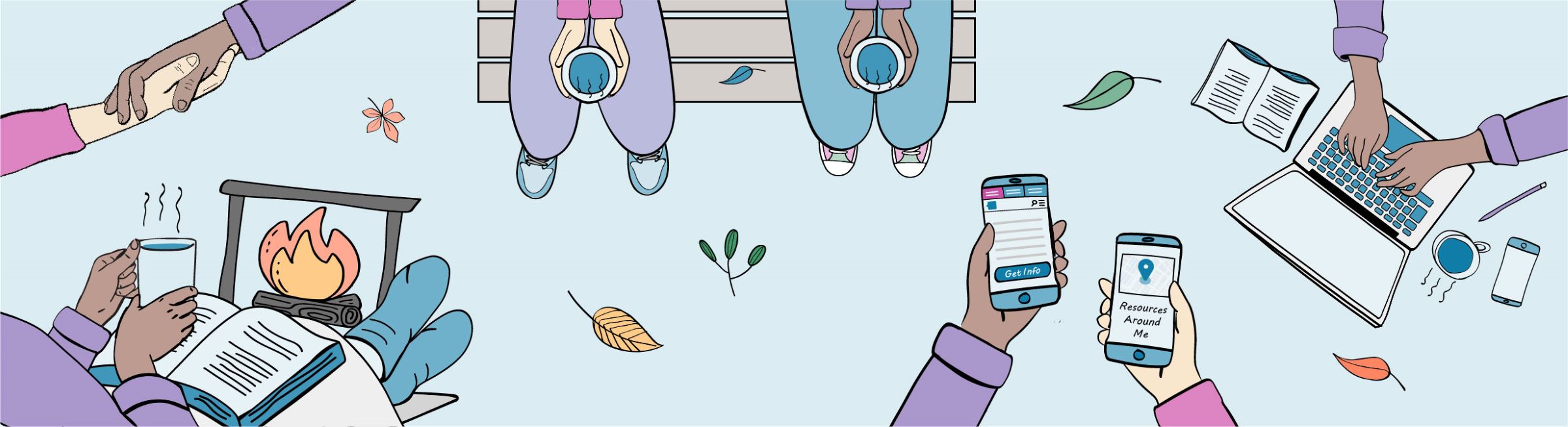
Are you worried about a friend’s substance use? Noticing changes in someone you care about can bring up a lot of emotions — confusion, sadness, disappointment, anger and more. On this page, you can explore some ways you can try to help a friend if you’re concerned.
How do I know if my friend is struggling with substance use?
It can be hard to tell if someone’s relationship with substances is changing. If you’re not sure if your friend is struggling, there are some ways to identify changes. You might notice things like your friend is:
- using substances while at school or work
- missing more school or work than usual
- getting lower grades in school than usual
- spending money they don’t have on substances
- taking increased risks with substances (e.g. mixing substances or using more than their usual amount at one time)
- using substances alone
- isolating themselves or withdrawing from others
- relying on substances to cope with difficult circumstances
- demonstrating changes in behaviours or moods
- expressing feelings of emptiness or hopelessness
- not engaging in activities they usually enjoy
- avoiding activities until they’ve used substances
- spending less time with friends or family
How can I have an open conversation with a friend?
Show empathy
It’s OK if you don’t understand what your friend is going through. There’s a lot of stigma and confusion about substance use. It can be helpful to do research to better understand why people use substances and why their relationship with substances may change over time. Being deliberate and respectful about your language choices can help your friend feel more seen and understood.
This guide from the Government of Canada provides an introduction to using neutral and “person-first” language. Reflect on what you admire about your friend and remember they’re more than their struggles.

Consider the timing
It’s common to feel nervous about preparing for what may be a difficult or awkward conversation. Let your friend know that you’d like to talk so you can agree on a time that works for you both. An ideal time is when your friend hasn’t been using substances, but what’s most important is finding a time when your friend is willing to talk. Choose a space — virtually or in-person – that’s quiet, comfortable and free from distractions.
Be honest and specific
Because there can be so much stigma and misunderstanding around substance use, it’s understandable if your friend feels ashamed or embarrassed. It may be helpful to talk about specific behaviours that led you to feel concerned. This lets them know that the discussion is not about them personally and more focused on the impact of their substance use.
Here are some examples of phrases that can help you share your feelings:
- “I’ve noticed a change…”
- “I was confused when…”
- “It hurts me to see…”
- “I feel worried about…”
By focusing on “I” statements, you can speak more honestly in a way that might prevent your friend from feeling blamed. Letting your friend know you’re there to listen if they need it is powerful. If you’d like to practice what you’ll say first, you can try writing a letter.

Share resources
You don’t have to have all the answers. Ultimately, it’s up to your friend to decide what they do next. Having ideas for where they can find support might remind them they’re important and loved. It’s possible they’ve thought about getting help and haven’t known where to start. By offering resources and suggesting talking to someone they trust, it may help bridge the gap between them thinking about getting support and actually doing it.
Below are a few suggestions you might consider sharing with your friend:
- Tips and ideas to reduce risks and prioritize safety when using substances
- Kids Help Phone’s Resources Around Me to find virtual or in-person supports near their area
- Ways to connect with Kids Help Phone’s e-mental health services for 24/7 support

Prioritize your well-being and set boundaries
Supporting someone with their substance use can be hard. It’s up to your friend to decide when and if they want to make a change. Try to remember that you aren’t responsible for your friend’s actions or decisions.
It’s OK to set boundaries during and after the conversation. Before approaching your friend, you can make a plan to practise your own self-care after the conversation. You can also reflect on the ways you want to stay in contact with your friend if you feel their substance use is affecting your well-being. This could mean things like not answering calls from them at night or not spending time with your friend when they have or are using substances, if that’s what feels right for you.
Expressing your concern and demonstrating you care can be meaningful, but even if you’ve followed these tips, there’s a chance the conversation may not go how you’d like it to. If you’d like to learn more about helping a friend through a rough patch and / or ways to take care of your own mental health and well-being, you can connect with someone you trust or Kids Help Phone for support.
Kids Help Phone thanks Dr. Milan Khara for their contributions to this page.