Everyone in Canada can contribute to reconciliation. Here, Kids Help Phone collaborates with the Gord Downie & Chanie Wenjack Fund (DWF) to share how you can “Do Something” and contribute to reconciliation by taking action, known as, reconciliACTION.
What is reconciliation?
Reconciliation is the long-term process of developing a respectful relationship between Indigenous and non-Indigenous peoples.
To move forward on a collective journey toward reconciliation, it’s vital that everyone across Canada acknowledges the true history of the country. This includes learning about harmful policies, practices and systems (e.g. residential schools, child removals, loss of lands, inequitable access to essential services, suppression of cultural traditions and languages, etc.) and identifying meaningful ways to move forward together.
What is reconciliACTION?
A reconciliACTION is a meaningful action that contributes to reconciliation. ReconciliACTIONs aim to bring Indigenous and non-Indigenous peoples together in the spirit of reconciliation to build awareness, share and learn.
No matter how you feel inside, you’re not alone. You can connect with KHP for help and a space to let your feelings out. Call 1-800-668-6868. Text 686868.
How can I participate in reconciliation and take reconciliACTION?
Both Indigenous and non-Indigenous youth can take reconciliACTION. Here are some ways you can contribute to reconciliation:
- Learn about the First Nations, Inuit and Métis peoples in your area to understand their histories and contributions.
- Watch movies by Indigenous filmmakers or read Indigenous literature. You can start by exploring recommendations from the Gord Downie & Chanie Wenjack Fund.
- Learn about and support Indigenous arts and artists. You might start by searching for Indigenous artists in your community.
- Attend local Indigenous cultural events open to the public.
- Research and do a presentation on reconciliation for your class or organization.
- Learn the land acknowledgement in your area. If there isn’t one, you can learn about how to create one. You can also encourage your school or organization to give a daily land acknowledgement as part of their morning routine and at important events.
- Visit a local Indigenous organization and / or Friendship Centre. You can explore Resources Around Me to discover Friendship Centres nearest your location. You can also explore local cultural centres or museums in your area.
- Participate in Secret Path Week, Orange Shirt Day, Bear Witness Day, National Indigenous Peoples Day and / or other important national and local Indigenous and reconciliation-related events.
- Ask an Elder or Knowledge Keeper to visit your school or organization to share their knowledge. When preparing your request, you can learn about and follow proper protocols for engaging with Indigenous peoples and community (e.g. you may need to present an Elder with an offering during their visit).
- Study an Indigenous language (especially one used in your area).
- If you’re a student, consider asking your teacher to sign up for the Gord Downie & Chanie Wenjack Fund’s Legacy Schools program – it’s a free initiative to engage students and educators to further reconciliation through awareness, education and action!
- Organize a fundraising event for a charity that supports Indigenous peoples or helps contribute to reconciliation.
Finding ways to participate in reconciliation is important for everyone in Canada. If you’re seeking more information or ways to contribute and take reconciliACTION, you can contact the Gord Downie & Chanie Wenjack Fund. And if you need support with any feeling — big or small — you can connect with Kids Help Phone 24/7.
Check out Finding Hope: Kids Help Phone’s Action Plan for Supporting First Nations, Inuit and Métis Young People to learn more about how Kids Help Phone is supporting reconciliation.
Kids Help Phone would like to thank the Gord Downie & Chanie Wenjack Fund for their contributions to this piece and for their work in reconciliation education!
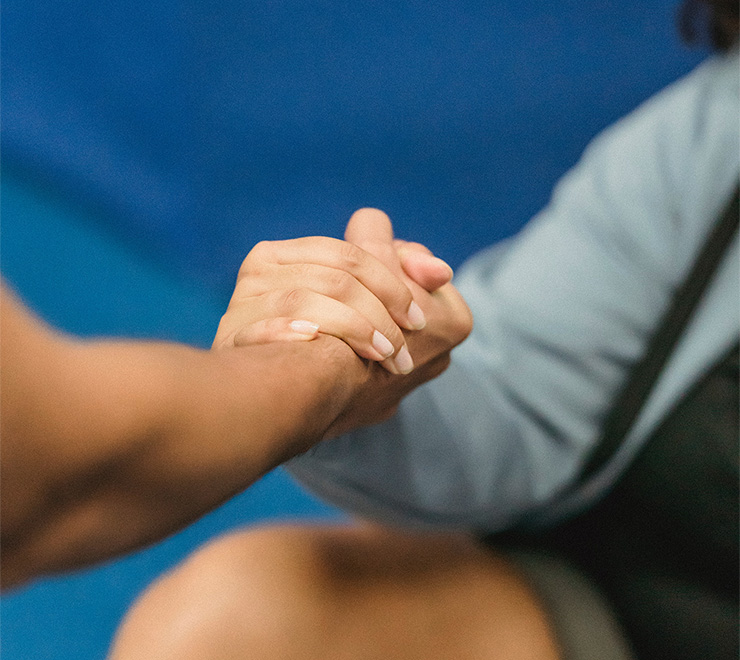
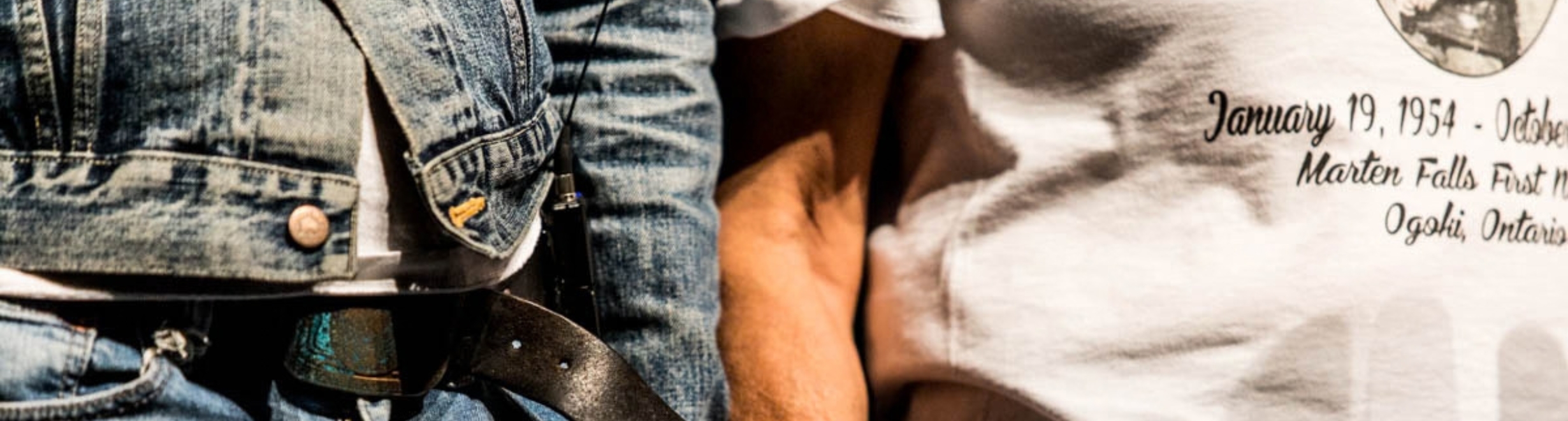
Photo: Gord Downie & Pearl Achneepineskum hold hands. By David Bastedo