There’s a lot going on in the world today. From climate change to tragedies to racism to political unrest and more, you may come across information in the news (e.g. TV, radio, social media, newspapers, etc.) that leaves you feeling upset, overwhelmed or discouraged. And, more often than not, it’s the tough stuff that becomes the focus of these stories.
Although everyone reacts to the news differently, certain headlines and content can be distressing for some people. They may bring up feelings of fear, panic, anxiety, sadness, anger, grief and more. If you’re experiencing an emotional reaction to the news, there are ways you can prioritize yourself and your mental health. Here, you can explore strategies and resources to support your well-being while navigating news stories.
Explore more mental health resources for current events
How can I protect my well-being while staying informed?
Although you may not always be able to completely avoid coming across information in the news that may feel distressing or overwhelming, there are actions you can take to care for your well-being while engaging with the news. For example, you can try to:
- Pay attention to sensitive content warnings: This can be a verbal statement from a reporter, a written warning at the start of an article or a sensitive content blur over an image. Consider skipping or taking a break from news with content warnings if you think it may affect how you’re feeling.
- Set boundaries: For example, maybe it’s letting someone know if they’re sharing too many details about a news story that’s upsetting you. Maybe it’s removing yourself from a conversation / thread. It can also be setting filters on your social media to not show you certain content or limiting how often you’re checking news channels / outlets. Boundaries are personal, and (if safe for you to do so) you can choose and set boundaries that make the most sense for you.
- Check-in with yourself: If you come across news that may affect you, try checking-in with how you’re doing. If you notice changes in your thoughts, feelings or physical body, these may be signs warning you you’re reaching your limit. You might consider pausing and taking a moment for self-care. From there you can decide if you’d like to continue engaging with the news, take a break or stop all together. Remember, the purpose of a check-in is to prioritize your well-being, whatever that may mean for you.
What can I do if the news is affecting my well-being?
Sometimes, even if we take actions to protect ourselves from news that may affect our well-being, we can still be exposed to it, whether it was expected or unexpected. In the list below, you’ll find some strategies you can try when you’ve come across news that brings on big feelings for you:
- Talk about how you’re feeling with someone you trust
- Take a break from media (e.g. social media, news channels, radio, etc.), whether it’s for a few minutes, hours, days or more
- Journal about how you’re feeling and your thoughts about the news
- Volunteer to support a community / cause
- Do an activity to comfort yourself like using comfort items, watching tv shows or movies, cuddling a pet, reading a book, etc.
- Try a grounding exercise to bring your mind and body back to the present moment. For example, you can try a breathing exercise, guided meditation or body scan, spending time in nature, taking a sip of cold water, gentle stretching / movement, etc.
Remember, you’re not alone. If you want to talk through your thoughts / feelings about news that’s affecting your well-being, you can connect with someone at KHP for support and to explore more ways to cope.
Where can I find more tools and resources to cope with news while staying informed?
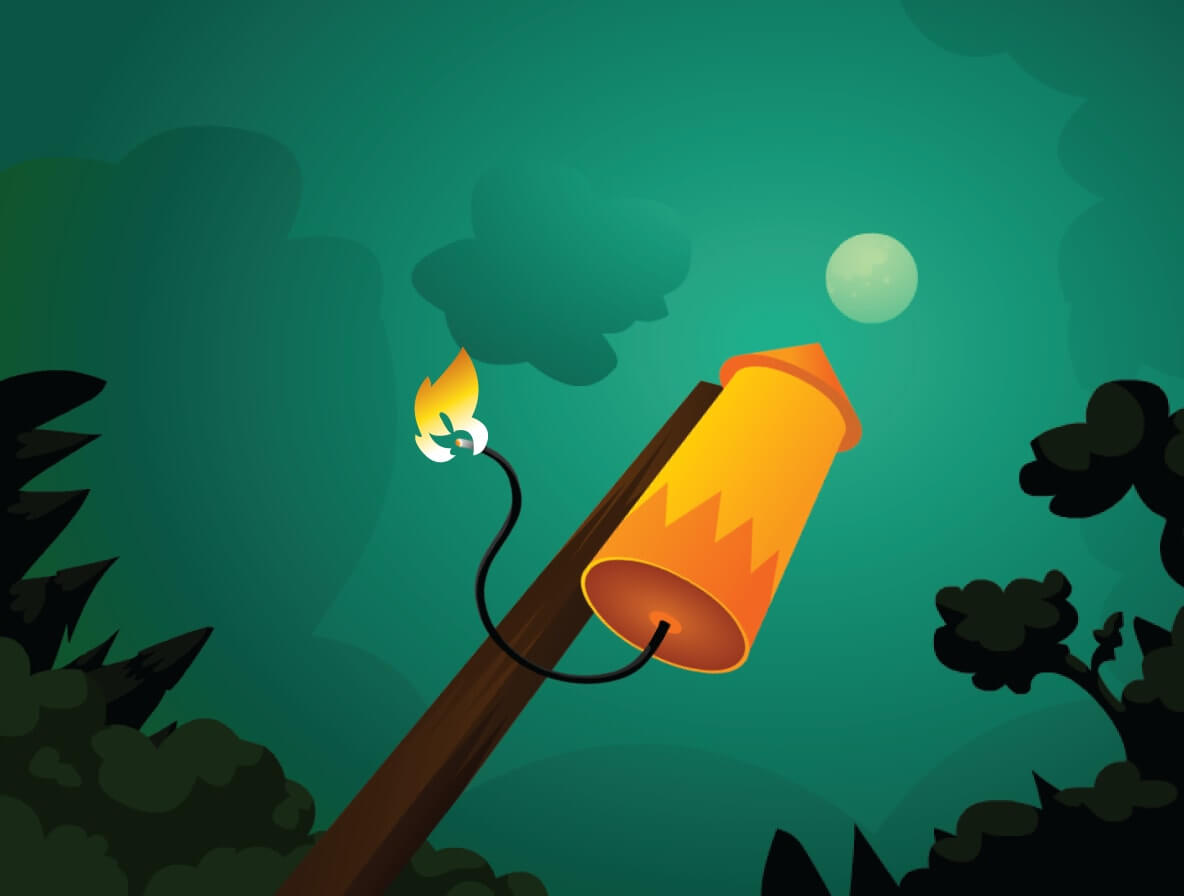

Worry Rockets


How can I cope with my feelings about the future?

Anxiety about war & conflict: 20+ ways to cope
7 ways to navigate climate change & eco-anxiety


I feel overwhelmed. What can I do?

Watch: Tips for navigating unknowns

How to start journaling today

Try: 2026 Mindfulness colouring book
Kids Help Phone’s Wheel of Well-Being
Digital detox: How to unplug and recharge

Up all night? Get a better sleep with these tips.

What is mindfulness, and how can I practise it?

Anti-Black racism & how to be an ally

Support for First Nations, Inuit and Métis youth

Support for newcomer youth

2SLGBTQI+ youth & allies, this is your space!

Stress: How to help the young person in your life

Helping young people recognize and respond to online hate

Supporting a young person through grief and loss

How do I talk to the young person in my life about suicide?

Starting a conversation about emotional health & well-being